
Choosing the right car insurance can feel overwhelming, but understanding the different coverage types is the first step to securing the best protection for yourself and your vehicle. This guide breaks down the essential car insurance coverages you should know.
Liability Coverage
Liability coverage pays for damages or injuries you cause to others in an accident. It’s usually split into bodily injury liability and property damage liability. Bodily injury liability covers medical bills and other expenses for anyone injured in an accident you caused. Property damage liability covers the cost of repairing or replacing the other person’s vehicle or property. The amounts of coverage are typically expressed as limits, such as 100/300/100, meaning $100,000 for injuries per person, $300,000 for total injuries per accident, and $100,000 for property damage. It is crucial to have adequate liability coverage, as injuries and property damage can quickly exceed these limits. 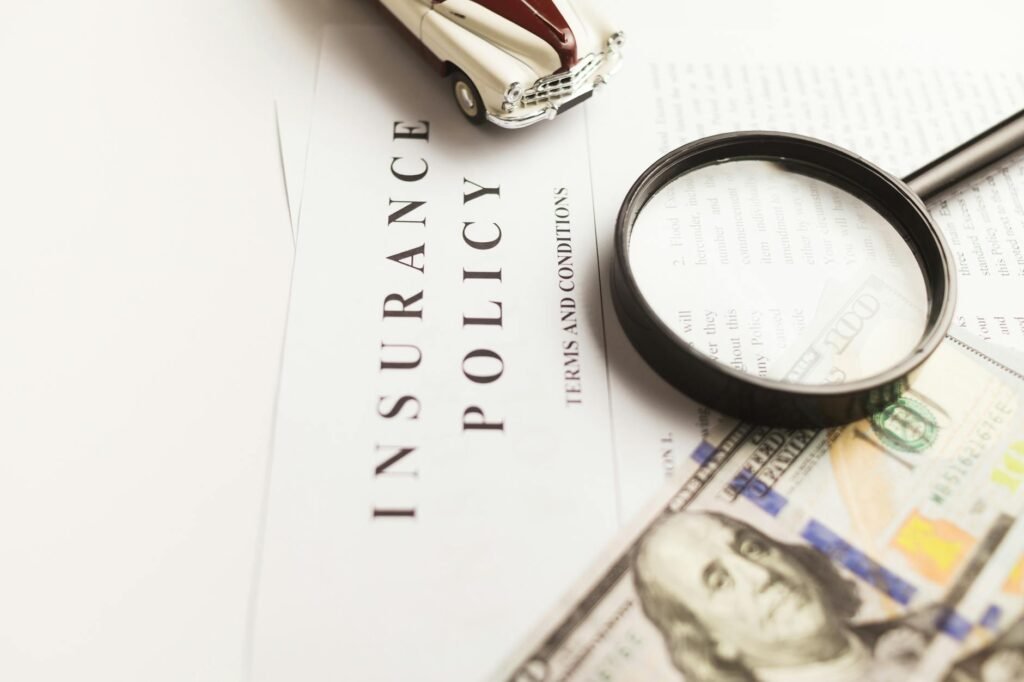
Collision Coverage
Collision coverage pays for damage to your vehicle, regardless of who is at fault. If you’re involved in an accident, collision coverage will help repair or replace your car, even if you caused the accident. This coverage is often optional, but it can be extremely valuable, protecting you from substantial repair bills. Learn more about collision deductibles.
Comprehensive Coverage
Comprehensive coverage protects your vehicle against damage from events other than collisions, such as theft, vandalism, fire, or hail. While not required, it’s a vital layer of protection against unforeseen circumstances. It can also cover damage from natural disasters, animal strikes, or other unexpected events. 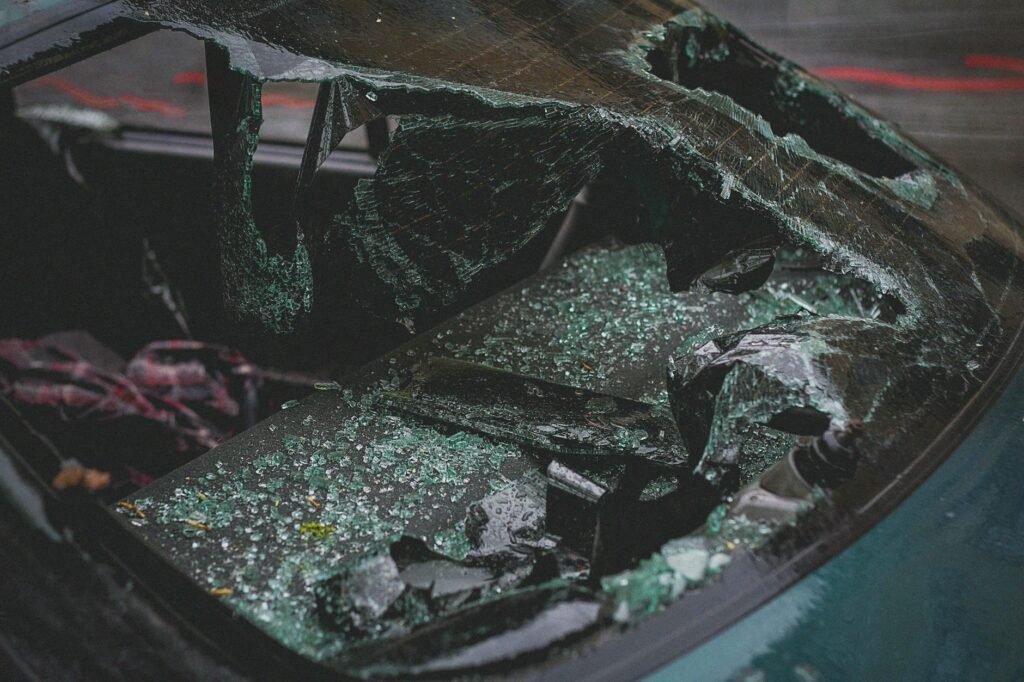 For example, if a tree falls on your car during a storm, comprehensive coverage would likely take care of repairs.
Uninsured/Underinsured Motorist Coverage
Uninsured/underinsured motorist coverage protects you if you’re involved in an accident with a driver who is uninsured or doesn’t have enough insurance to cover your losses. This is particularly important, as statistics show a significant number of drivers on the road are uninsured. This coverage can help cover medical expenses, lost wages, and vehicle repairs if you’re hit by an uninsured driver. Understanding your policy limits is vital in choosing adequate coverage.
Medical Payments Coverage (Med-Pay)
Medical payments coverage (Med-Pay) helps pay for medical expenses for you and your passengers, regardless of fault. Even with health insurance, Med-Pay can help cover deductibles or other out-of-pocket expenses. This coverage can be particularly beneficial for those with high healthcare deductibles or those who frequently have passengers in their vehicles. [IMAGE_3_HERE]
Personal Injury Protection (PIP)
Personal Injury Protection (PIP) covers medical expenses and lost wages for you and your passengers, regardless of fault. In some states, PIP is required by law. Check your state’s regulations to see what is required. It also often provides coverage for funeral expenses and other related costs, providing a more comprehensive safety net compared to Med-Pay. This type of coverage is often bundled with liability coverage, and can be quite valuable for protecting yourself and your passengers.
Choosing the right car insurance coverage requires careful consideration of your individual needs and risk tolerance. By understanding these different coverage types, you can make informed decisions to secure the best possible protection for yourself and your vehicle. Get a free quote today and compare options!
Frequently Asked Questions
What is the difference between liability and collision coverage? Liability coverage protects others involved in an accident you caused, while collision coverage protects your vehicle in any accident, regardless of fault.
How much liability coverage do I need? The amount of liability coverage you need depends on your individual circumstances and risk tolerance, but having high limits is usually recommended to fully protect yourself from potential lawsuits.
Is uninsured/underinsured motorist coverage really necessary? Yes, given the number of uninsured drivers, it’s a very important protection to consider, as it covers your losses in the event of an accident with an uninsured or underinsured driver.
What is a deductible? A deductible is the amount you pay out-of-pocket before your insurance coverage kicks in.
How can I find the best car insurance rates? Comparing quotes from multiple insurers is always recommended.