Getting car insurance without a driver’s license might seem impossible, but it’s achievable in certain situations. This guide will explore those situations and help you understand how to navigate the process.
Understanding Your Insurance Needs
Before diving into the specifics, it’s crucial to understand why you need insurance even without a license. Perhaps you’re a car owner who doesn’t drive, or you’re storing a vehicle. Regardless, you need liability coverage to protect yourself financially in case of accidents. Your insurance will cover the cost of damages to other vehicles or individuals involved, even if you aren’t the one driving.
Comprehensive vs. Liability Coverage
The two main types of car insurance are comprehensive and liability. Liability insurance covers damages caused by your vehicle, regardless of who is driving. Comprehensive insurance covers damages to your own vehicle, like theft or weather damage. Learn more about choosing the right policy.
Situations Where You Can Get Insurance Without a License
Several scenarios allow you to get car insurance without a license. For instance, you might own a car that’s parked long-term and not driven regularly. In this case, you can obtain comprehensive insurance to protect against incidents such as theft or vandalism. Or, perhaps you’re a classic car enthusiast and your vehicle is primarily for show or occasional short trips. In such cases, you might only need liability coverage. Check with your state’s DMV for further clarification on your specific needs. You may also need coverage if the car is part of an inheritance or in storage. 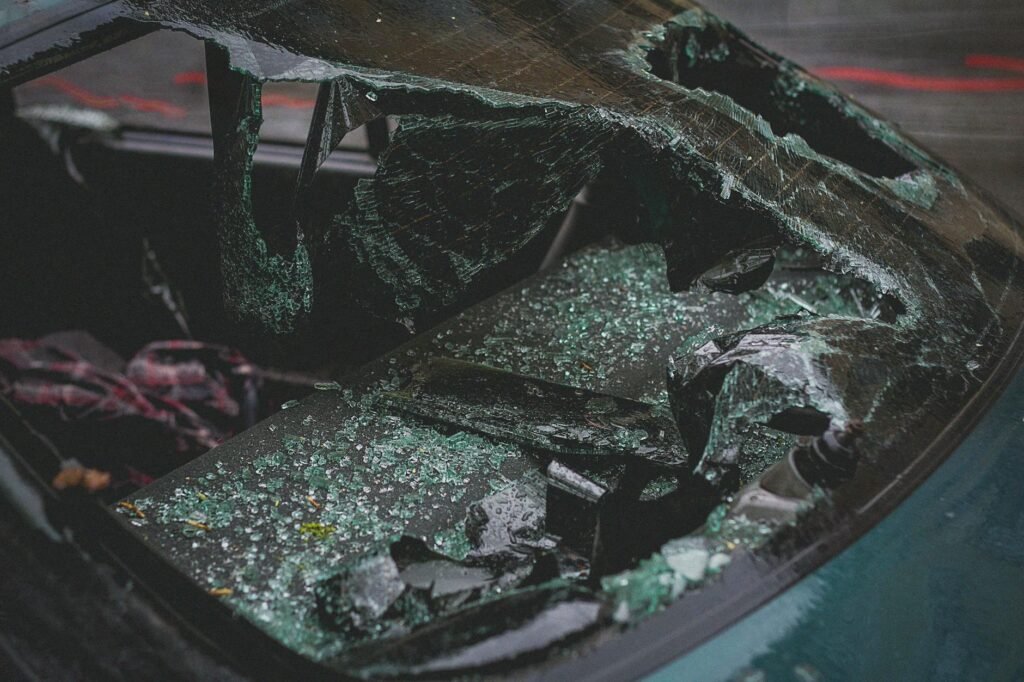
The Application Process
The application process may vary slightly depending on the insurer, but typically, you will need to provide information about the vehicle, its location, and your reason for needing insurance. You might be asked for your driver’s license information in certain cases, but many insurers will offer policies to those without one. Be upfront about not having a license during the process. Be prepared to explain why you need coverage. Find out how to compare quotes.
Finding the Right Insurer
Not all insurers are the same. Some specialize in non-standard situations like insuring vehicles owned by non-drivers. Use online comparison tools to find insurers who cater to your needs. Read reviews from other customers and compare prices carefully. 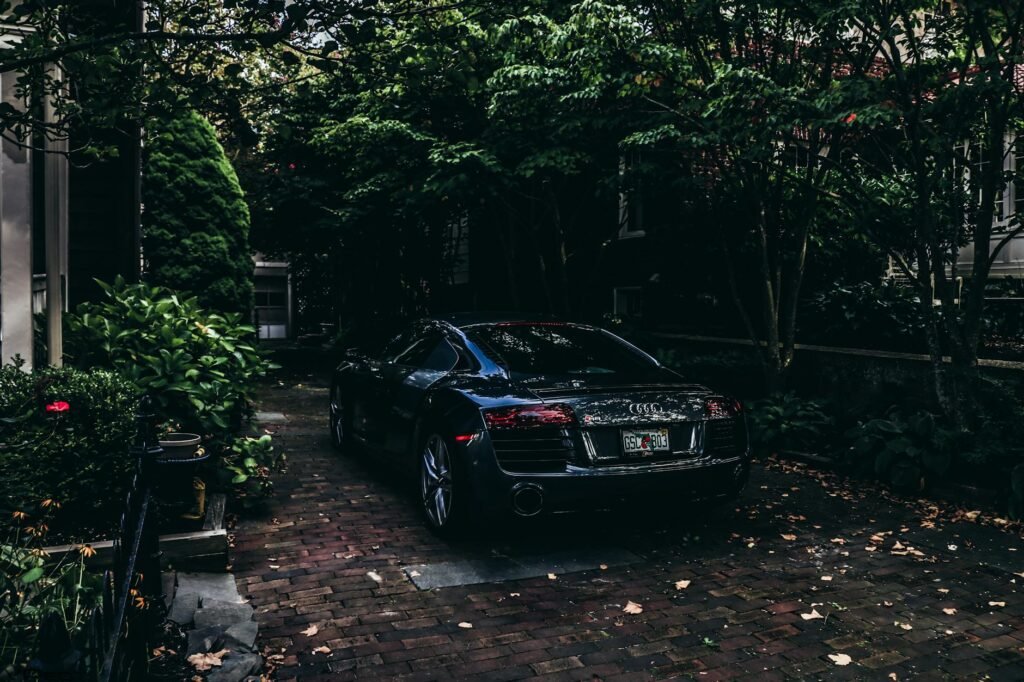 Remember to look for discounts that may apply to your situation. Obtaining several quotes helps to secure the most competitive price for your coverage. Compare car insurance quotes here.
Documents You’ll Need
Typically, you’ll need to provide proof of vehicle ownership (title), vehicle identification number (VIN), and possibly information about the vehicle’s storage location. Some companies may also require personal information like your social security number and proof of address. Don’t hesitate to contact the insurance company directly if you have any questions about required documentation. Download the forms here. [IMAGE_3_HERE]
Conclusion
Securing car insurance without a driver’s license is possible, provided you understand the various types of coverage and meet the specific requirements of your insurer. Remember to always be upfront and honest during the application process. By following these steps, you can adequately protect yourself and your vehicle.
Frequently Asked Questions
What type of coverage do I need? The type of coverage depends on your situation. Liability is usually sufficient for vehicles that are not driven. If the vehicle is stored or not used, comprehensive coverage may be needed.
How much will it cost? The cost will vary greatly based on your location, the vehicle itself, and the type of coverage.
What if I later get a license? You will then need to update your insurance policy accordingly. Most insurance companies will allow you to update your information easily when your license status changes.
Can I drive the car with this insurance? This depends entirely on your state and the policy’s terms. It’s likely you’ll need a licensed driver to drive the vehicle.
What happens if I have an accident? Your insurance will handle liability claims. Make sure you report any accident promptly to your insurer.