
Saving money is always a good idea, and car insurance is no exception. Many people consider car insurance a necessary evil, but with a few smart strategies, you can significantly reduce your premiums without sacrificing coverage. This guide will provide actionable steps to help you lower your car insurance costs.
Shop Around and Compare
Don’t settle for the first quote you get! Different insurance companies use different rating factors, leading to vastly different prices for the same coverage. Spend some time comparing quotes from at least three to five different providers. Use online comparison tools, but remember to call companies directly as well, as online quotes might not always reflect your exact situation. 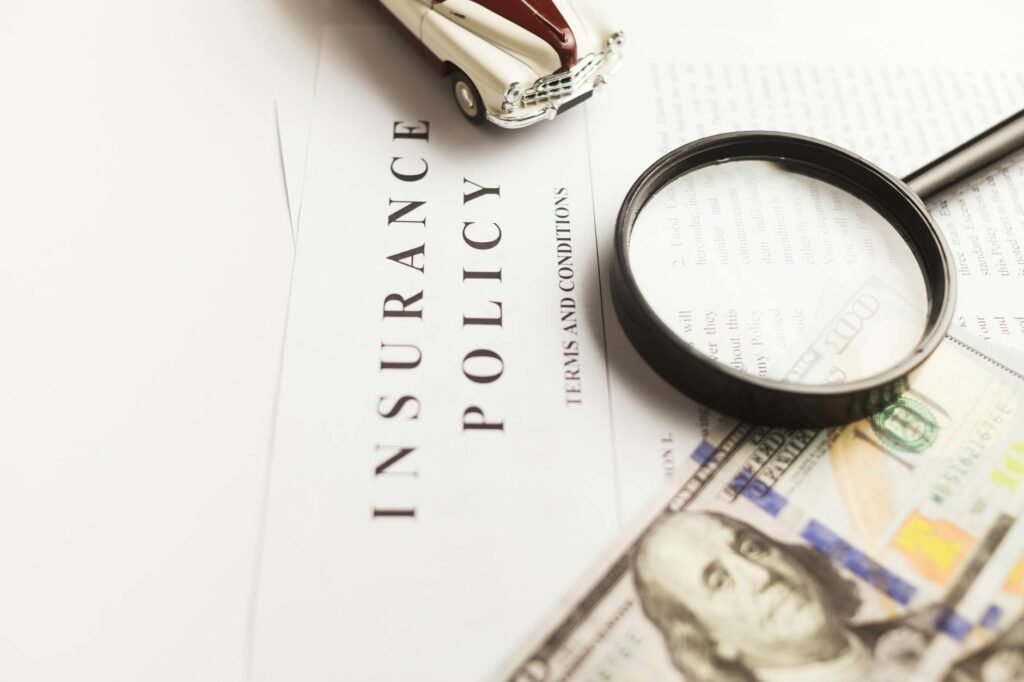
Improve Your Credit Score
Believe it or not, your credit score can significantly impact your car insurance premiums. Insurers often consider it a measure of risk. Working on improving your credit score can lead to lower premiums. Paying down debt and making on-time payments are key steps to improving your credit. You can check your credit score for free from sources such as AnnualCreditReport.com, and learn more about credit repair from reputable financial websites.
Bundle Your Policies
Many insurance companies offer discounts if you bundle your car insurance with other types of insurance, such as homeowners or renters insurance. Bundling your policies with the same company can result in substantial savings. Check with your current provider to see if they offer bundling discounts or explore bundled options from other insurers.
Choose a Higher Deductible
Increasing your deductible—the amount you pay out-of-pocket before your insurance kicks in—is a common way to lower your premiums. While this means you’ll pay more if you’re involved in an accident, it can lead to significant savings in the long run. Carefully consider your financial situation and risk tolerance before deciding on a higher deductible. Make sure you have an emergency fund to cover the deductible in the event of an accident. Learn more about choosing the right deductible.
Maintain a Clean Driving Record
This might seem obvious, but a clean driving record is crucial for keeping your insurance premiums low. Avoiding accidents, speeding tickets, and other moving violations is essential. Consider taking a defensive driving course; these courses can sometimes help lower your premiums and show insurers your commitment to safe driving. You can also find information about safe driving tips to further minimize risks.
Explore Discounts
Many insurers offer a variety of discounts. These might include discounts for good students, safe drivers, anti-theft devices, and even for insuring multiple vehicles. Ask your insurance provider about all available discounts that might apply to you. Check out the discounts available on their website or contact them directly. This article might help you understand further. 
By following these tips and consistently comparing rates, you can significantly reduce your car insurance costs. Remember, your insurance needs may change over time, so periodically review your coverage and shop around to make sure you’re still getting the best deal. [IMAGE_3_HERE]
Frequently Asked Questions
What is the best way to compare car insurance quotes? Use online comparison websites and call multiple insurance providers directly to get personalized quotes. Don’t just rely on one source.
How often should I shop around for car insurance? It’s a good idea to compare rates at least once a year, or even more frequently if your circumstances change (e.g., moving to a new address, getting a new car).
Can I lower my premiums by installing safety features in my car? Yes, many insurers offer discounts for cars with safety features such as anti-theft devices or advanced safety technology.
Will my credit score always affect my car insurance rates? While credit-based insurance scores are common, some states have laws restricting or prohibiting their use. Check with your state’s insurance department for specifics.
What if I have a minor accident? Should I file a claim? Minor accidents might be more expensive to claim than to pay out-of-pocket, depending on your deductible. Carefully weigh the costs before making a decision. This guide explains this better.