

Understanding Car Insurance Basics
Choosing the right car insurance can feel overwhelming, especially with so many options and varying coverage levels. Two of the most common types are comprehensive and collision coverage. While both protect your vehicle, they cover different situations. This post will clarify the key differences between comprehensive and collision car insurance, helping you make an informed decision.
What is Collision Coverage?
Collision coverage is part of your car insurance policy that pays for damage to your vehicle caused by an accident, regardless of who is at fault. This includes collisions with other cars, objects like trees or fences, or even rollovers. It covers repairs or replacement costs, minus your deductible.  It’s important to note that collision coverage typically doesn’t cover damage to other vehicles involved; that’s where liability coverage comes in. Learn more about liability insurance.
What is Comprehensive Coverage?
Comprehensive coverage protects your car from damage caused by events other than collisions. This includes things like theft, vandalism, fire, hail, floods, and even damage from animals. 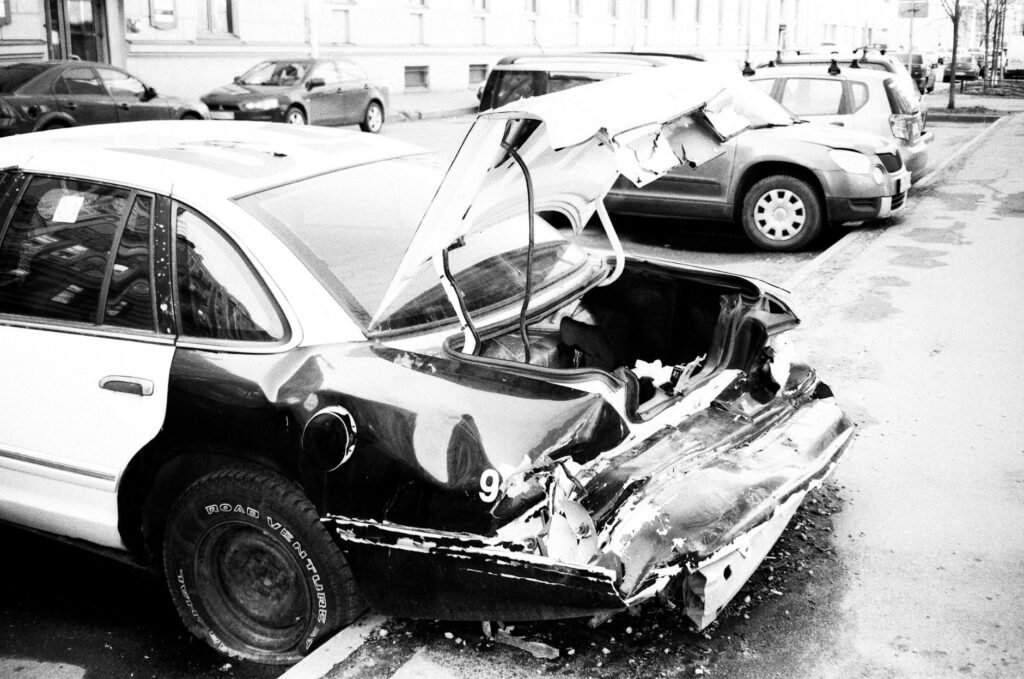 Unlike collision coverage, comprehensive coverage doesn’t require an accident to be involved. Again, your deductible will apply before the insurance company pays out. Think of it as a broader safety net for unexpected events.
Key Differences Between Collision and Comprehensive
The main difference lies in *what* each type of coverage protects against. Collision covers accidents, while comprehensive covers everything else. You can think of it this way: collision is for damage caused by impact, while comprehensive is for damage from other perils. Many people choose to have both types of coverage, offering more complete protection. However, the decision of whether or not to carry comprehensive coverage often depends on the age and value of your car. For older vehicles, the cost of comprehensive coverage may outweigh the benefit if the car is worth less than your deductible. You should always carefully consider your needs when making a decision. For more information, check out this helpful guide from the Insurance Information Institute.
Deductibles and Premiums
Both collision and comprehensive coverage have deductibles—the amount you pay out-of-pocket before your insurance kicks in. Higher deductibles generally lead to lower premiums (monthly payments). A lower deductible means you pay less out-of-pocket in the event of a claim, but your monthly premium will be higher. Finding the right balance depends on your risk tolerance and budget. [IMAGE_3_HERE] You can use online insurance comparison tools to see how different deductible options affect your premium. Check out some helpful comparison websites to start your search.
Is it Necessary to Have Both?
Whether you need both collision and comprehensive coverage depends on various factors, including the age and value of your vehicle, your financial situation, and your risk tolerance. If you have a new car with a significant loan, carrying both types of coverage is often advisable to protect your investment fully. However, if you have an older car with a lower value, you might find that collision coverage alone is sufficient. Speak with an insurance agent to help determine the best fit for your situation. Also, consider consulting your loan provider to discuss their requirements regarding auto insurance coverage. Learn more about choosing the right coverage for your situation.
Conclusion
Understanding the differences between collision and comprehensive car insurance is crucial for making an informed decision about your coverage. While both are essential for protecting your vehicle, they cover different types of risks. Carefully consider your needs, budget, and the value of your car to determine the best combination of coverages. Remember to consult with an insurance professional or explore resources from reliable financial websites for personalized guidance. [IMAGE_4_HERE]
Frequently Asked Questions
What happens if I only have collision coverage and my car is damaged by a tree falling on it? Your collision coverage won’t cover this; you’d need comprehensive coverage for that type of damage.
Can I choose different deductibles for collision and comprehensive? Yes, many insurance companies allow you to select different deductibles for each type of coverage.
How do I file a claim for collision or comprehensive coverage? Contact your insurance company immediately after the incident to report the damage and begin the claims process.
Does my insurance cover rental car expenses after an accident? Some policies offer rental car reimbursement as an add-on. Check your policy details.
What factors affect my collision and comprehensive insurance premiums? Several factors determine your premiums including your driving record, age, location, the make and model of your vehicle, and the coverage levels you choose.